
Losing a tooth or several teeth is more common than most people realize. What comes next, choosing the right replacement, is where many patients find themselves unsure of which direction to take. Both dental implants and dentures are well-established tooth replacement options, and each has real advantages depending on a person’s specific situation.
This guide looks at both options honestly so you can go into your next dental appointment with a clearer understanding of what each involves and what questions to ask.
Understanding Your Tooth Replacement Options in Toronto
When it comes to missing teeth solutions, there is no single answer that works for everyone. The right choice depends on factors including how many teeth are missing, the condition of your jawbone and gums, your overall health, and your long-term oral health goals.
Both dental implants and dentures in Toronto are designed to restore function and appearance after tooth loss. They work differently, feel different in daily use, and involve different levels of commitment in terms of care and maintenance.
What Are Dental Implants?
A dental implant is a small titanium post that is surgically placed into the jawbone to act as an artificial tooth root. Once the implant integrates with the bone, a custom-made crown is attached on top, creating a replacement tooth that looks and functions very much like a natural one.
Dental implants in Toronto are typically recommended when:
- One or more teeth are missing
- The jawbone is healthy and dense enough to support the implant
- The patient is in good general health and is a suitable candidate for a minor surgical procedure
- A long-term, fixed tooth replacement solution is the goal
One of the key advantages of implants is that they stimulate the jawbone the way natural tooth roots do. This helps prevent the bone loss that typically occurs after a tooth is lost. The implant becomes a permanent part of your mouth and does not require removal for cleaning.
What Are Dentures?
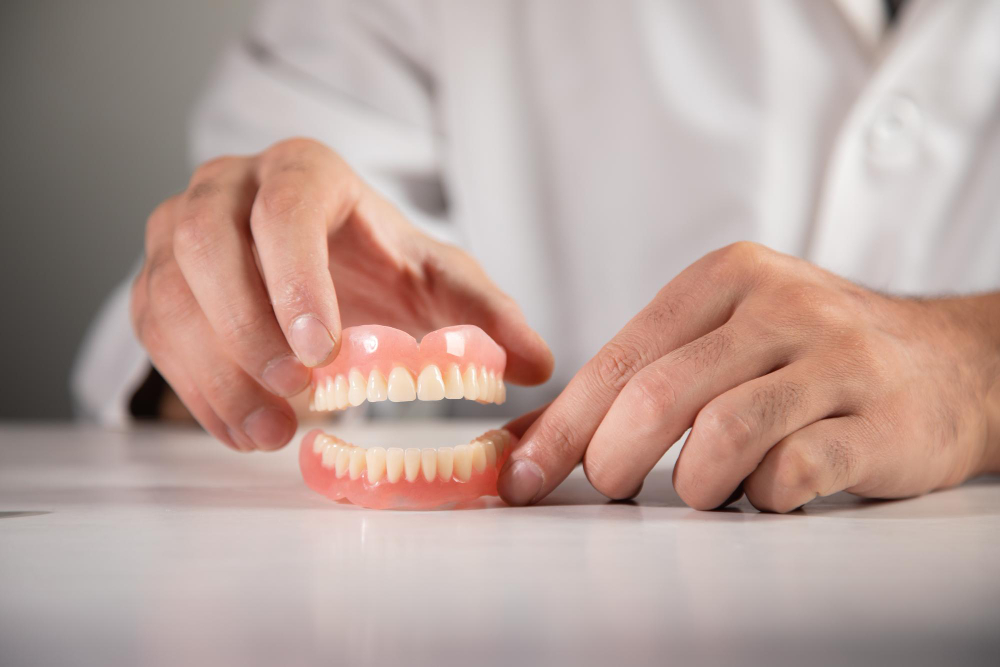
Dentures are removable prosthetic devices designed to replace missing teeth. They rest on the gums and are supported by the surrounding tissue and bone structure.
There are two main types of dentures:
Complete dentures replace all the teeth in the upper or lower jaw, or both. They are typically used when all natural teeth have been lost or removed.
Partial dentures replace one or more missing teeth when some natural teeth remain. They clip onto the existing teeth for stability.
Dentures in Toronto are commonly recommended when:
- Multiple teeth or all teeth are missing
- The patient is not a suitable candidate for implant surgery
- A removable, non-surgical solution is preferred
- The jawbone has experienced significant bone loss that would make implant placement more complex
Modern dentures are far more comfortable and natural-looking than older versions. With proper fit and care, they can restore a significant amount of function and confidence.
Dental Implants vs Dentures: A Practical Comparison
Understanding the key differences between the two options helps clarify which might be the better fit for your situation.
Stability and Comfort
Dental implants are fixed in place and do not move. They function like natural teeth, which means you can eat, speak, and smile without worrying about slipping or discomfort. Dentures, particularly complete dentures, can sometimes shift slightly during eating or speaking, especially as the shape of the gums changes over time. Dental adhesives can help with stability, but they require daily application.
Bone Health
This is one of the most significant differences between the two options. Dental implants stimulate the jawbone and help preserve its density over time. Dentures sit on top of the gums and do not provide this stimulation, which means bone loss in the jaw can continue gradually after tooth loss. Over time, this can affect the fit of the dentures and change the shape of the face.
Maintenance
Dental implants are cared for just like natural teeth. Regular brushing, flossing, and routine checkups at a dental clinic near you are all that is needed to keep them in good condition.
Dentures require daily removal and cleaning. They should be soaked overnight and brushed with a soft brush and denture cleaner. Regular dental visits are still important to check the fit and condition of the dentures and monitor the health of the gums.
Treatment Timeline
Getting dental implants in Toronto involves a surgical procedure followed by a healing period during which the implant fuses with the bone. This process can take several months before the final crown is placed. Dentures can generally be fitted more quickly, making them a faster solution for patients who need tooth replacement sooner.
Suitability
Not everyone is a candidate for dental implants. Patients who have experienced significant bone loss, have certain medical conditions, or are not suitable for surgery may find that dentures are the more appropriate tooth replacement option in Toronto. Your dentist will assess your individual situation before making any recommendations.
Can Implants and Dentures Work Together?
Yes, and this is worth knowing. Implant-supported dentures are an option that combines elements of both treatments. In this approach, implants are placed in the jaw to act as anchors for a denture, providing much greater stability than a traditional removable denture.
This option can be a good middle ground for patients who are missing all or most of their teeth but want more stability than conventional dentures offer. It is worth discussing with your dentist whether this approach might be suitable for your situation.
What to Consider When Making Your Decision
If you are weighing up missing teeth solutions and trying to decide between implants and dentures, here are the key questions worth thinking through before your appointment:
- How many teeth are missing, and where are they located
- Is your jawbone healthy enough to support implants
- Are you comfortable with a surgical procedure and a longer treatment timeline
- Do you want a fixed solution, or are you comfortable with a removable one
- What are your long-term oral health goals
A thorough examination at a dental clinic near you is the only way to get a definitive answer. X-rays, a bone assessment, and a review of your overall health will all factor into the recommendation your dentist makes.
Frequently Asked Questions
Are dental implants in Toronto a permanent solution?
Dental implants are designed to be a long-term tooth replacement solution. With proper care and regular dental checkups, they can last for many years. The crown attached to the implant may need to be replaced over time due to normal wear.
Are dentures uncomfortable to wear?
Modern dentures are designed for comfort and a natural fit. There is typically an adjustment period when you first start wearing them, but most patients adapt within a few weeks. If dentures feel persistently uncomfortable, visiting your dentist for a fit adjustment is recommended.
Can I eat normally with dental implants?
Yes. One of the main advantages of dental implants is that they function like natural teeth. Most patients can eat a full range of foods without restriction once the implant has fully healed.
How do I know if I am a candidate for dental implants in Toronto?
A dental assessment, including X-rays and a bone density evaluation, is needed to determine candidacy. Patients with sufficient bone density and good general health are typically strong candidates.
What happens to dentures over time?
As the jawbone changes shape after tooth loss, the fit of dentures can shift. Regular dental visits allow your dentist to monitor the fit and make adjustments as needed. In some cases, dentures may need to be relined or replaced after several years.
Making the Right Choice for Your Smile
Both dental implants and dentures are legitimate, effective tooth replacement options in Toronto. One is not universally better than the other. The right choice is the one that suits your health, your lifestyle, and your long-term goals.
What matters most is getting a proper assessment so that the recommendation you receive is based on your actual situation rather than a general assumption. Missing teeth affect not just your appearance but also your ability to eat comfortably, speak clearly, and maintain the health of your remaining teeth and jawbone. Addressing tooth loss sooner rather than later is always the better approach.
Finding the Right Solution for Missing Teeth
If you are considering dental implants in Toronto or want to explore whether dentures might be the right fit for your situation, the team at Roseland Dental is here to help you understand your options clearly. Contact us to book a consultation and take the first step towards restoring your smile.