Getting a dental implant is one of the most effective long-term tooth replacement solutions available. Once the procedure is complete, how well you care for the implant during healing and beyond plays a significant role in determining how successful and long-lasting the outcome will be.
Dental implants Toronto patients receive are designed to be durable and function like natural teeth. However, they do require a specific approach to aftercare, particularly in the weeks following the procedure. This guide walks you through everything you need to know from the moment you leave the dental clinic to long-term maintenance.
Why Aftercare Matters for Dental Implants Toronto Patients Should Understand
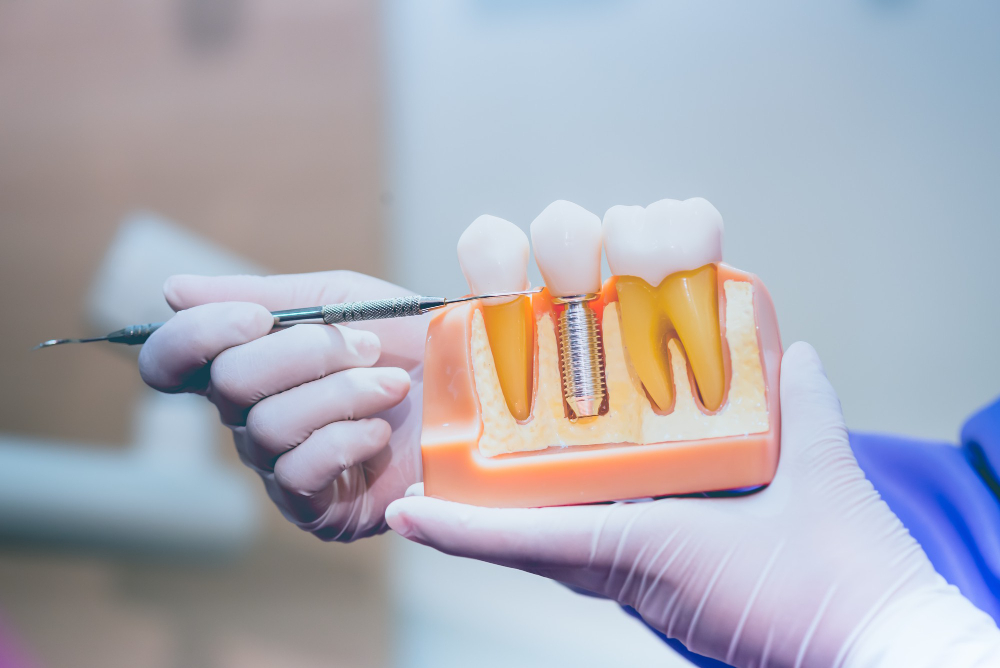
A dental implant goes through a process called osseointegration after it is placed. This is where the titanium post fuses with the surrounding jawbone to create a stable foundation for the replacement tooth. This process takes several months and is critical to the long-term success of the implant.
Proper implant aftercare Toronto patients follow during this healing period directly affects how well osseointegration occurs. Disrupting the healing process through poor oral hygiene, certain foods, or habits like smoking can compromise the implant and, in some cases, lead to implant failure.
Understanding what to do and what to avoid gives you the best possible chance of a smooth recovery and a result that lasts for many years.
Immediate Aftercare: The First 24 to 48 Hours
The first day or two after dental implant surgery requires the most careful attention. Here is what to expect and how to manage it:
Managing Swelling and Discomfort
Some swelling, bruising, and discomfort around the implant site is completely normal in the first 48 hours. Applying an ice pack to the outside of the face in 20-minute intervals can help reduce swelling. Your dentist will advise on appropriate pain relief to manage any discomfort during this period.
Bleeding
Minor bleeding or oozing at the implant site is normal in the first few hours after surgery. Biting gently on a piece of gauze provided by your dentist helps control this. If bleeding is heavy or does not settle within a few hours, contact your dental clinic near you promptly.
Eating and Drinking
Stick to soft foods and cold or lukewarm liquids for the first 24 to 48 hours. Avoid hot drinks and foods as heat can increase swelling and discomfort. Do not use a straw as the suction can disturb the surgical site and interfere with healing.
Rest
Avoid strenuous physical activity for the first 24 hours. Elevated heart rate and blood pressure from exercise can increase bleeding and swelling at the implant site.
Short-Term Aftercare: The First Few Weeks
Once the initial 48 hours have passed, you move into a period of ongoing healing that typically lasts several weeks. Here is how to care for your implant during this time:
Oral Hygiene Around the Implant Site
Keeping the area clean is essential but needs to be done carefully. Your dentist will give you specific instructions on how to clean around the implant site without disturbing the healing tissue. This typically involves:
- Gently rinsing with a saltwater solution several times a day
- Using a soft-bristled toothbrush around the surrounding teeth
- Avoiding direct brushing of the implant site itself until your dentist advises it is safe to do so
Foods to Avoid
During the healing period, certain foods can put unnecessary pressure on the implant or irritate the surgical site:
- Hard foods such as nuts, raw carrots, and crusty bread
- Chewy foods such as tough meat or sticky sweets
- Crunchy snacks like chips or popcorn
- Extremely hot or spicy foods that can irritate the tissue
Sticking to a soft diet during this period protects the implant while osseointegration takes place.
Smoking and Alcohol
Smoking is one of the most significant risk factors for dental implant failure. It restricts blood flow to the healing tissue, slows the osseointegration process, and significantly increases the risk of infection. Patients are strongly advised to avoid smoking for at least two weeks after implant surgery and ideally to stop altogether.
Alcohol should also be avoided during the initial healing period as it can interfere with the healing process and interact with any prescribed medications.
Long-Term Care for Dental Implants Toronto Patients Should Follow
Once the implant has fully integrated and the permanent crown has been placed, the focus shifts to long-term maintenance. The good news is that caring for a dental implant long-term is very similar to caring for a natural tooth.
Daily Oral Hygiene
Brush your teeth twice daily using a soft-bristled toothbrush. Pay attention to the area around the implant crown, making sure to clean all surfaces thoroughly. Floss daily using implant-specific floss or an interdental brush to clean between the implant and the surrounding teeth.
Plaque can accumulate around an implant just as it does around natural teeth. If left unaddressed, it can lead to a condition called peri-implantitis, which is an infection of the tissue surrounding the implant. This is one of the leading causes of implant failure in the long term and is largely preventable with consistent oral hygiene.
Regular Dental Checkups
Attending regular checkups at a dental clinic near you is essential for the long-term health of your implant. During these visits, your dentist will:
- Examine the implant and surrounding tissue for any signs of infection or bone loss
- Take X-rays periodically to monitor the condition of the bone around the implant
- Perform a professional cleaning to remove any buildup that cannot be addressed at home
- Check the fit and condition of the crown attached to the implant
Routine general dentistry Toronto appointments allow your dentist to catch any concerns early before they develop into more significant problems.
Protecting the Implant From Damage
Although dental implant crowns are made from durable materials, they can still be damaged by excessive force. Here are some habits worth avoiding:
- Chewing on hard objects like ice, pen lids, or hard sweets
- Using your teeth to open packaging
- Grinding or clenching your teeth, a condition known as bruxism
If you grind your teeth at night, speak to your dentist about a custom night guard. Bruxism places significant pressure on both natural teeth and implants and can shorten the lifespan of the crown if left unaddressed.
Warning Signs to Watch for After Dental Implant Surgery
Knowing what is normal and what requires attention during the healing period is important for every patient who has undergone tooth replacement in Toronto. Contact your dentist promptly if you experience any of the following:
- Severe or worsening pain that does not improve with pain relief
- Significant swelling that increases rather than decreases after the first 48 hours
- Heavy or persistent bleeding beyond the first few hours
- A fever, which can indicate infection
- The implant feeling loose or unstable
- Numbness or tingling that persists beyond the first day
These symptoms are not typical and should be assessed by a dentist as soon as possible. Early intervention gives the best chance of resolving any issue without affecting the success of the implant.
How Long Do Dental Implants Last With Proper Care
With consistent aftercare and good oral hygiene habits, dental implants Toronto patients receive can last for many years. The titanium post that integrates with the jawbone is designed to be a permanent fixture. The crown attached to the implant may experience normal wear over time and may eventually need to be replaced, but the implant itself is built for longevity.
The key factors that influence how long an implant lasts include:
- The quality of oral hygiene maintained at home
- Attendance at regular dental checkups
- Avoiding habits that put excessive force on the implant
- Not smoking
- Managing any underlying health conditions such as diabetes that can affect healing and bone health
Frequently Asked Questions
How long does it take for a dental implant to heal completely?
The osseointegration process, where the implant fuses with the jawbone, typically takes three to six months. The total treatment timeline, including the placement of the final crown, can take six months to a year depending on the individual case.
Is implant aftercare for Toronto patients difficult to manage?
Most patients find the aftercare straightforward once they understand what is required. The first few days require the most attention. After that, the routine largely mirrors normal oral hygiene with a few additional considerations around the implant site.
Can I brush my teeth normally after getting a dental implant?
In the immediate post-surgery period, you will need to avoid brushing directly at the implant site. Your dentist will advise when it is safe to resume normal brushing in that area. The surrounding teeth should continue to be brushed as normal from day one.
What foods can I eat after dental implant surgery?
In the first few days, stick to soft foods such as yogurt, mashed potatoes, scrambled eggs, soup, and smoothies. Gradually reintroduce firmer foods as healing progresses and your dentist confirms it is appropriate to do so.
Does smoking really affect dental implant success?
Yes significantly. Smoking reduces blood flow to the healing tissue, impairs osseointegration, and increases the risk of infection and implant failure. Patients who smoke have a notably higher rate of implant complications than non-smokers.
Protecting Your Investment in a Healthier Smile
A dental implant is one of the most significant investments you can make in your oral health. The procedure itself is only part of the equation. How well you look after the implant during healing and in the years that follow determines how long it lasts and how well it functions.
Implant aftercare Toronto patients commit to does not need to be complicated. Consistent oral hygiene, a sensible diet during healing, avoiding harmful habits, and attending regular checkups cover the vast majority of what is needed to keep a dental implant healthy for the long term. At Roseland Dental, every implant patient receives detailed aftercare guidance and ongoing support to ensure the best possible outcome.
Your Implant Deserves the Best Care Possible
If you have recently had a procedure or are considering dental implants in Toronto and want to understand what aftercare involves, the team at Roseland Dental is here to guide you every step of the way. Contact us to book a consultation or follow-up appointment today.