
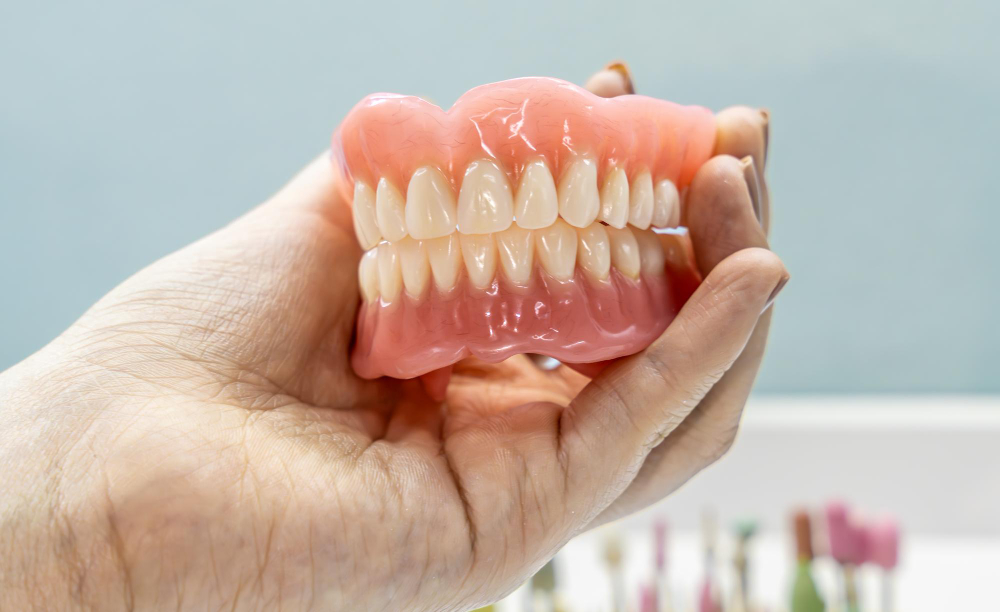
Deciding to get dentures is a significant step. For many people, it comes after a period of dealing with failing teeth, discomfort, or the gradual loss of teeth. Whatever the circumstances that have led you here, it is completely normal to feel uncertain about what the process involves and what life with dentures will actually be like.
The good news is that modern dentures Toronto patients receive today are far more comfortable, natural-looking, and functional than the dentures of previous generations. With the right preparation and realistic expectations, most first-time denture wearers adjust successfully and go on to enjoy a significantly improved quality of life.
This guide walks you through everything you need to know from your first consultation to daily life with your new dentures.
Understanding Your Options: Types of Dentures Toronto Patients Can Choose
Before the process begins, it helps to understand the different types of dentures available. Not every patient needs the same solution, and the right type depends on how many teeth are missing and the condition of the remaining teeth and gums.
Full Dentures Toronto
Full dentures Toronto, also known as complete dentures, replace all of the teeth in the upper jaw, the lower jaw, or both. They rest on the gums and are held in place by the natural suction created between the denture base and the gum tissue.
Full dentures are recommended when all of the natural teeth in a jaw have been lost or need to be removed. There are two types of full dentures:
Immediate dentures are placed on the same day the remaining teeth are extracted. They allow the patient to have teeth throughout the healing period but will need to be relined or replaced once the gums have healed and changed shape.
Conventional dentures are made after the gums have fully healed following tooth extraction. The healing period typically takes several weeks, during which the patient may be without teeth. Conventional dentures tend to fit more precisely because they are made to fit the fully healed gum tissue.
Partial Dentures Toronto
Partial dentures Toronto are used when some natural teeth remain. Rather than replacing all of the teeth in a jaw, a partial denture fills the gaps left by missing teeth while the remaining natural teeth stay in place.
Partial dentures are attached to the existing teeth using metal clasps or precision attachments, providing stability while remaining removable for cleaning. They prevent the remaining teeth from shifting into the gaps left by missing teeth, which can affect the bite and the alignment of the jaw over time.
Your dentist will assess your specific situation and recommend the type of dentures in Toronto that is most appropriate for your needs.
The Denture Process: What Happens From Start to Finish
Understanding the steps involved helps reduce uncertainty and makes the process feel more manageable.
Initial Consultation and Assessment
The process begins with a thorough assessment at a dental clinic near you. Your dentist will examine your remaining teeth, gums, and jawbone, take X-rays if needed, and discuss which type of dentures is most appropriate for your situation. This is also the time to ask any questions you have about the process, the timeline, and what to expect.
Tooth Extraction if Needed
If any remaining teeth need to be removed before dentures can be fitted, this will be carried out either before or alongside the denture-fitting process. Your dentist will discuss the timing and whether immediate or conventional dentures are more suitable for your situation.
Impressions and Measurements
Your dentist will take detailed impressions of your gums and any remaining teeth. These impressions are used to create a custom-fitted denture that precisely matches the shape of your mouth. Measurements of your jaw relationship and bite are also taken to ensure the dentures align correctly.
Trial Fitting
Before the final dentures are completed, a trial version is often made so you and your dentist can assess the fit, appearance, and bite. This is an opportunity to make adjustments before the permanent dentures are finalised.
Fitting the Final Dentures
Once the final dentures are ready, your dentist will fit them and make any necessary adjustments to ensure they sit comfortably and function correctly. Follow-up appointments are typically scheduled in the weeks after fitting to address any areas of discomfort and make refinements as needed.
The Adjustment Period: What Is Normal and What to Expect
This is the part of the denture experience that surprises many first-time wearers the most. Adjusting to dentures takes time, and knowing what is normal makes the process far less daunting.
Initial Discomfort and Soreness
Some soreness and minor irritation in the gums is completely normal in the first few weeks. The gums need time to adapt to the pressure of the dentures. Follow-up appointments with your dentist allow sore spots to be identified and the dentures adjusted to relieve the pressure.
Speaking Differently
Many first-time denture wearers notice that certain words or sounds feel different when they first start wearing their dentures. This is because the tongue and lips need to adapt to the new structure in the mouth. Practising by reading aloud at home can help speed up this adjustment. Most patients find their speech returns to normal within a few weeks.
Eating With Dentures
Eating with dentures for the first time requires patience. Starting with soft foods cut into small pieces makes the initial adjustment easier. Chewing on both sides of the mouth simultaneously helps keep the dentures stable. Gradually introducing firmer foods as confidence grows is the most sensible approach.
Some foods remain challenging even with well-fitted dentures. Very hard, sticky, or chewy foods can dislodge dentures or put excessive pressure on the gums. Learning which foods work well and which to approach with caution is part of the adjustment process.
Increased Saliva Production
It is common to notice increased saliva production in the first few days of wearing dentures. The mouth treats the new dentures as a foreign object initially and responds by producing more saliva. This settles down naturally within a week or two.
Long-Term Care for Dentures Toronto Patients Should Know
Once you have adjusted to your dentures, looking after them properly ensures they last as long as possible and continue to fit well.
Daily Cleaning
Remove your dentures every night and clean them thoroughly with a soft denture brush and a non-abrasive denture cleaner. Do not use regular toothpaste on dentures as it can scratch the surface and create areas where bacteria can accumulate.
Soak the dentures overnight in a denture-soaking solution or plain water to keep them moist and prevent them from warping. Dentures that dry out can lose their shape.
Cleaning Your Mouth
Even with full dentures in Toronto, cleaning your mouth every day remains important. Use a soft-bristled brush to gently clean your gums, tongue, and the roof of your mouth before reinserting your dentures each morning. This removes bacteria and stimulates circulation in the gum tissue.
Regular Dental Checkups
Wearing dentures does not mean you no longer need to visit the dentist. Regular checkups at a dental clinic near you are still essential for several reasons:
- Your dentist will check the fit of the dentures as the shape of your gums changes over time
- An oral cancer screening is performed at every checkup regardless of whether you have natural teeth
- Any areas of irritation or sore spots can be identified and addressed
- The condition of the denture material is monitored, and repairs or replacement can be planned when needed
Tooth replacement Toronto through dentures is a long-term commitment that works best when supported by consistent professional care.
Handling With Care
Dentures are more fragile than they might appear. When cleaning them, hold them over a folded towel or a sink filled with water to cushion any accidental drops. A crack or break in a denture should be repaired by your dentist rather than with adhesive at home.
When Dentures Need to Be Adjusted or Replaced
Over time, the shape of the gums and jawbone changes, particularly in areas where teeth have been lost. This means that dentures which once fitted well may gradually become looser or less comfortable.
Signs that your dentures may need adjustment or replacement include:
- Dentures that feel loose or slip during eating or speaking
- Persistent sore spots that do not resolve after adjustments
- Visible cracks, chips, or worn areas on the denture surface
- Changes in your facial appearance or bite
Regular checkups allow your dentist to monitor these changes and recommend relining, rebasing, or replacing the dentures when appropriate. Never attempt to adjust dentures yourself, as this can cause further damage and affect the fit.
Frequently Asked Questions
What is the difference between full dentures Toronto and partial dentures Toronto?
Full dentures replace all of the teeth in the upper or lower jaw. Partial dentures replace one or more missing teeth when some natural teeth remain. Your dentist will recommend the appropriate type based on your specific situation.
How long does it take to get used to wearing dentures?
Most patients adjust to their dentures within four to eight weeks. Speaking and eating comfortably typically improves steadily throughout this period as the tongue, lips, and cheeks adapt to the new structure.
Can I sleep with my dentures in?
Most dentists recommend removing dentures at night to give the gum tissue a rest and to allow the dentures to be soaked and cleaned thoroughly. Your dentist will advise on the best routine for your specific situation.
How often should Toronto denture patients have their dentures checked?
A checkup at least once a year is recommended for denture wearers, and more frequently if you notice changes in fit or comfort. Regular professional care extends the life of the dentures and protects the health of the underlying gum tissue.
Is tooth replacement Toronto through dentures a permanent solution?
Dentures are a long-term tooth replacement Toronto solution, but they are not permanent in the same way as dental implants. They will need to be relined, rebased, or replaced over time as the shape of the gums and jaw changes. With proper care, a well-made set of dentures can last for several years before replacement is needed.
Getting the Most Out of Your New Dentures
The adjustment period for first-time denture wearers is real, but it is also temporary. Most patients find that with patience, consistent care, and regular follow-up appointments, they adapt successfully and are able to eat, speak, and smile with confidence.
Dentures Toronto patients receive today are a far cry from the ill-fitting, uncomfortable appliances of previous generations. Modern materials and precise fitting techniques mean that well-made, well-maintained dentures can make a genuine difference to daily life, comfort, and confidence. At Roseland Dental, every denture patient receives thorough, personalised care throughout the fitting process and beyond to ensure the best possible outcome.
Starting Your Denture Journey With the Right Support
If you are considering dentures Toronto for the first time or want to find out which tooth replacement option is right for your situation, the team at Roseland Dental is here to guide you through every step of the process. Contact us to book a consultation and take the first step towards a more comfortable and confident smile.