
Every parent wants their child to have a healthy smile. What many people do not fully appreciate is how early that foundation needs to be built and how much the habits formed in childhood influence oral health well into adulthood.
The journey from a baby’s first tooth to a teenager’s full set of permanent teeth involves distinct stages, each with its own challenges and priorities. Understanding what to focus on at each stage makes it easier to give your child the best possible start for their long-term oral health. Finding a trusted pediatric dentist Toronto families rely on is one of the most important steps you can take as a parent.
Stage 1: Infancy and the First Teeth
Most babies begin teething between six and twelve months of age, though there is a wide range of what is considered normal. Some babies are born with teeth already present, and others do not see their first tooth until after their first birthday.
Caring for Your Baby’s Gums Before Teeth Appear
Oral care should begin before the first tooth even arrives. Gently wiping your baby’s gums with a clean, damp cloth after feeding removes bacteria and gets your baby used to having their mouth cleaned. This simple habit lays the groundwork for good oral hygiene routines later on.
When the First Tooth Appears
As soon as the first tooth comes through, it needs to be cleaned. Use a small soft-bristled toothbrush designed for infants with a tiny smear of fluoride toothpaste, about the size of a grain of rice. Brush twice a day gently, including before bed.
The first dental visit should happen by the time the first tooth appears or by your baby’s first birthday. Visiting a pediatric dentist in Toronto this early allows the dentist to check that development is on track, give parents guidance on feeding and teething, and begin building a positive association with dental visits from the very start.
Avoiding Early Childhood Tooth Decay
Early childhood tooth decay, sometimes called baby bottle tooth decay, is one of the most common preventable dental conditions in young children. It occurs when teeth are frequently exposed to sugary liquids including fruit juice, formula, and milk, particularly when a baby falls asleep with a bottle.
To reduce the risk:
- Never put a baby to bed with a bottle containing anything other than water
- Avoid dipping pacifiers in sugar or honey
- Wipe gums and teeth after every feeding
- Begin dental visits early so any early signs of decay can be caught and addressed promptly
Stage 2: Toddlers and Preschoolers
Between the ages of two and three, most children will have a full set of twenty baby teeth. This is an important period for establishing oral hygiene habits and dietary patterns that will influence dental health for years to come.
Brushing and Flossing
By age two, children can begin using a pea-sized amount of fluoride toothpaste. Parents should continue to supervise and assist with brushing until the child has the dexterity to do it effectively on their own, which is usually around age six or seven.
Flossing should begin as soon as two teeth touch each other. This is often earlier than parents expect. Use floss picks designed for children to make the process easier.
Diet and Dental Health
The toddler and preschool years are when many children are introduced to snacks, juices, and foods that can contribute to tooth decay. Limiting sugary snacks and drinks, offering water as the primary beverage between meals, and encouraging a balanced diet all support good dental health during this stage.
Frequent snacking throughout the day gives the bacteria in the mouth a constant supply of sugar to feed on. Consolidating snacks to set times rather than grazing throughout the day reduces the overall acid exposure to the teeth.
Regular Dental Checkups
By this age, regular dental checkup Toronto appointments should be well established. Every six months is the standard recommendation for most children. A kids dentist Toronto parents trust will monitor the development of the teeth and jaw, check for early signs of decay, apply fluoride treatments if appropriate, and reinforce good habits with both the child and the parent.
Stage 3: School-Age Children and the Mixed Dentition Phase
Between the ages of six and twelve, children go through what dentists call the mixed dentition phase. This is the period when baby teeth are lost, and permanent teeth begin to come through. It is one of the most important periods in dental development.
Losing Baby Teeth
Baby teeth typically begin to fall out around age six, starting with the lower front teeth. The process continues gradually until around age twelve when most children have lost all of their baby teeth.
A baby tooth that is lost too early due to decay or injury can cause the surrounding teeth to shift into the gap, potentially affecting the alignment of the permanent teeth that follow. This is one of the reasons why looking after baby teeth matters even though they are temporary.
If a baby tooth is lost prematurely, a pediatric dentist in Toronto may recommend a space maintainer to hold the gap open until the permanent tooth is ready to come through.
The First Permanent Molars
The first permanent molars typically come through around age six, often before any baby teeth have been lost. These teeth sit at the back of the mouth and can be easy to miss. They are also particularly vulnerable to decay because of their position and their deep grooves.
Fissure sealants are a preventive treatment where a thin coating is applied to the chewing surfaces of the back teeth to protect the grooves from decay. A kids dentist in Toronto can assess whether sealants are appropriate for your child at their regular checkup.
Orthodontic Assessment
The mixed dentition phase is also when an initial orthodontic assessment may be recommended if there are concerns about crowding, spacing, or bite issues. Early assessment does not always mean early treatment, but it allows potential concerns to be monitored and addressed at the most effective time.
If you have noticed that your child’s teeth are coming in crooked or crowded, raising this with a family dentist in Toronto at their next checkup is a good starting point.
Stage 4: Teenagers and the Full Permanent Dentition
By the early teenage years, most children have their full set of permanent teeth, except for wisdom teeth, which typically emerge in the late teens or early twenties. This stage brings its own set of dental health challenges.
Oral Hygiene Independence
Teenagers are generally responsible for their own oral hygiene by this stage. While parents are no longer supervising brushing directly, encouraging consistent habits remains important. Teenagers who brush twice daily, floss regularly, and attend their six-monthly checkups are significantly less likely to develop decay or gum problems.
Diet and Lifestyle Factors
The teenage years often bring changes in diet and lifestyle that can affect oral health. Increased consumption of sugary drinks, sports drinks, and snack foods, combined with irregular meal patterns, can create conditions that favour decay.
Teenagers who play contact sports should wear a properly fitted mouthguard to protect their teeth from injury. A custom-fitted mouthguard from a dental clinic near you offers significantly better protection than a standard over-the-counter option.
Wisdom Teeth
Wisdom teeth, also known as third molars, typically begin to emerge between the ages of seventeen and twenty-five. Not everyone develops wisdom teeth, and not all wisdom teeth cause problems. However, wisdom teeth that are impacted, growing at an angle, or causing crowding may need to be removed.
Regular dental checkups during the teenage years allow the dentist to monitor the development of wisdom teeth with X-rays and advise on whether intervention is needed before problems develop.
Orthodontic Treatment
If orthodontic treatment is recommended, the teenage years are often when it is carried out. Whether through traditional braces or clear aligners, orthodontic treatment during this period takes advantage of the fact that the jaw is still developing, which can make tooth movement more efficient.
The Role of Professional Dental Care Throughout Childhood
No matter how diligent parents are with home oral hygiene, professional dental care remains an essential part of keeping children’s teeth healthy from infancy through to adulthood.
A children’s dentistry Toronto practice provides:
- Regular examinations to monitor development and catch problems early
- Professional cleanings to remove plaque and tartar that brushing alone cannot address
- Fluoride treatments and fissure sealants where appropriate
- Guidance for parents on age-specific oral hygiene techniques and dietary choices
- Orthodontic monitoring and referrals when needed
- A positive, child-friendly environment that helps children develop a healthy attitude towards dental care
Children who attend regular checkups with a pediatric dentist in Toronto that families trust are significantly less likely to develop serious dental problems and are more likely to carry good oral health habits into adulthood.
Frequently Asked Questions
When should I first take my child to see a pediatric dentist in Toronto?
The first dental visit should happen by your child’s first birthday or when the first tooth appears, whichever comes first. Starting early establishes a routine and allows the dentist to monitor development from the beginning.
Are baby teeth really important if they fall out anyway?
Yes. Baby teeth hold space for permanent teeth, support speech development, and allow children to chew properly. Decay in baby teeth can spread and affect the permanent teeth developing underneath. Protecting baby teeth is an important part of children’s dentistry in Toronto.
How do I know if my child needs to see a kids dentist Toronto about their bite?
Signs that may warrant an orthodontic assessment include visibly crowded or overlapping teeth, difficulty biting or chewing, mouth breathing, or teeth that appear to be coming in at unusual angles. Raise any concerns with your family dentist in Toronto at your child’s next checkup.
How can I make brushing teeth a positive experience for my child?
Use a toothbrush with their favourite character, play a two-minute song while brushing, let them choose their toothpaste flavour, and praise them for brushing well. Making it part of a consistent routine rather than a battle helps children accept it as a normal part of their day.
What is a dental checkup appointment in Toronto like for a young child?
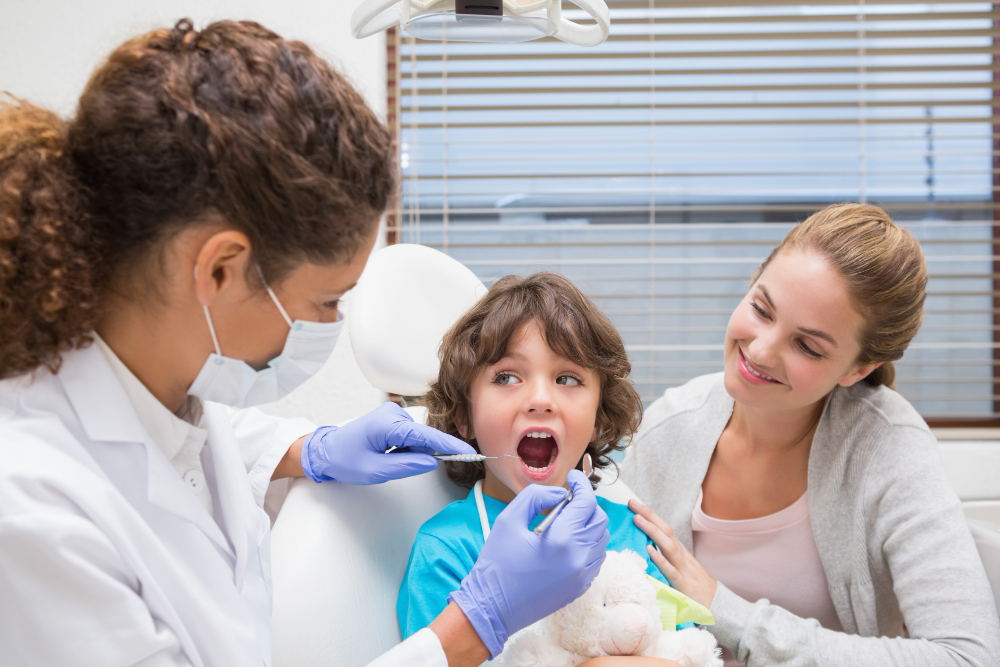
A child’s dental checkup is gentle and unhurried. The dentist will count and examine the teeth, check the gums and jaw development, perform a gentle cleaning, and apply fluoride if appropriate. The focus is on making the experience calm and positive, so children feel comfortable returning.
Building a Lifetime of Healthy Smiles
The dental habits and professional care a child receives from infancy through to their teenage years form the foundation of their oral health for life. Each stage of development brings different priorities, but the underlying principles remain consistent: brush teeth twice daily, limit sugar intake, drink water, and attend regular checkups.
Children’s dentistry in Toronto is about far more than treating problems when they arise. It is about guiding healthy development, catching concerns early, and giving children the knowledge and habits they need to look after their own teeth as they grow. At Roseland Dental, we welcome patients of all ages and are committed to making every child’s dental experience a positive one from their very first visit.
Giving Your Child the Best Start for Their Smile
If you are looking for a trusted pediatric dentist in Toronto for your child or want to book their next dental checkup, the team at Roseland Dental is here to help. We provide gentle, thorough care for children at every stage of development. Contact us to schedule an appointment today.