
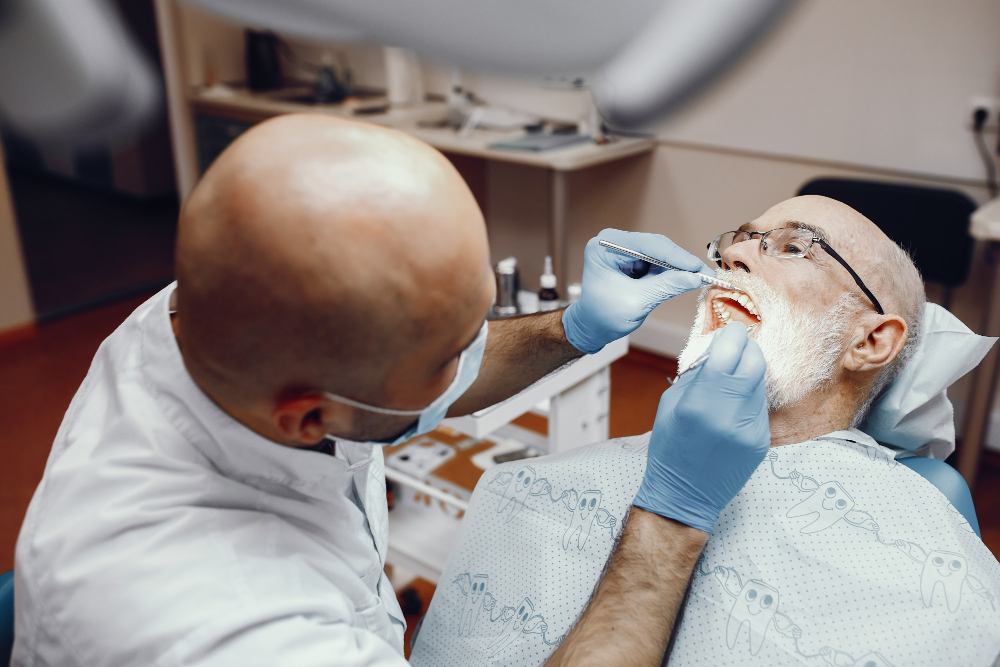
Losing a tooth is more common than most people expect, and the decision about how to replace it is one that deserves careful thought. Two of the most frequently recommended options are dental implants and dental bridges. Both are well-established treatments that restore the appearance and function of a missing tooth, but they work very differently and suit different situations.
This guide walks through the key differences between the two options so you can go into a consultation with a clearer understanding of what each involves and which might be the better fit for your situation.
Understanding the Two Options
Before comparing them directly, it helps to understand what each treatment actually involves.
What Is a Dental Implant
A dental implant is a small titanium post that is surgically placed into the jawbone to replace the root of a missing tooth. Once the implant has fused with the bone through a process called osseointegration, a custom-made crown is attached on top, creating a replacement tooth that looks, feels, and functions very much like a natural one.
Dental implants Toronto patients choose are a standalone solution. They do not rely on or affect the neighbouring teeth in any way. The implant becomes a permanent fixture in the jaw and, with proper care, can last for many years.
What Is a Dental Bridge
A dental bridge is a fixed prosthetic device that replaces a missing tooth by anchoring an artificial tooth between two crowns placed on the neighbouring teeth. The teeth on either side of the gap, known as abutment teeth, are reshaped to support the crowns. The artificial tooth in the middle, called a pontic, is fused between the two crowns, creating a stable, non-removable replacement.
Crowns and bridges Toronto patients receive are a well-established tooth replacement Toronto option that can be completed more quickly than an implant and without surgery. However, they do require the alteration of healthy neighbouring teeth, which is an important consideration.
Dental Implants vs Dental Bridge: Key Factors to Consider
Impact on Neighbouring Teeth
This is one of the most significant differences between the two treatments.
A dental implant stands completely independently. The neighbouring teeth are not touched, reshaped, or involved in the treatment in any way. This preserves the integrity of healthy teeth that would otherwise not need any intervention.
A dental bridge in Toronto requires the two teeth on either side of the gap to be prepared by removing a portion of their enamel to accommodate the crowns. These teeth will always need to be covered with crowns from that point forward. For patients whose neighbouring teeth are completely healthy, this is a meaningful trade-off worth considering carefully.
If the neighbouring teeth already have significant fillings, decay, or damage that will eventually require crowns anyway, a bridge can address multiple concerns at once, and the trade-off becomes less significant.
Bone Health
When a tooth is lost, the jawbone in that area begins to shrink gradually over time because it is no longer being stimulated by a tooth root. This bone loss can affect the shape of the face and the stability of the surrounding teeth over time.
Dental implants Toronto help prevent this bone loss because the titanium post acts as an artificial root and stimulates the bone in the same way a natural tooth root does. This is one of the most significant long-term advantages of implants over other tooth replacement Toronto options.
A dental bridge does not address bone loss. The pontic sits above the gum line and does not interact with the bone beneath. Over time, the bone in the area of the missing tooth will continue to shrink even with a bridge in place. This can eventually affect the fit and appearance of the bridge and the overall structure of the jaw.
Procedure and Treatment Timeline
Getting dental implants in Toronto involves a surgical procedure followed by a healing period during which the implant fuses with the jawbone. This process typically takes several months before the final crown can be placed. For patients who want the most natural-looking and long-lasting result and are willing to commit to the timeline, implants are worth the wait.
A dental bridge in Toronto can generally be completed in two appointments over a period of a few weeks. The neighbouring teeth are prepared at the first appointment, impressions are taken, and a temporary bridge is placed while the permanent bridge is being made. The permanent bridge is fitted at the second appointment.
For patients who need a tooth replaced more quickly or who are not suitable candidates for surgery, a bridge offers a faster route to a restored smile.
Suitability and Eligibility
Not every patient is a suitable candidate for dental implants. The key requirements for implant eligibility include:
- Sufficient jawbone density and volume to support the implant
- Healthy gums with no active gum disease
- Good general health and no medical conditions that significantly impair healing
- Non-smoker or willingness to stop smoking during the healing period
Patients who have experienced significant bone loss may need a bone grafting procedure before an implant can be placed, which adds time and complexity to the treatment. In some cases, bone loss is too advanced for an implant to be a viable option.
A dental bridge has fewer eligibility requirements. The main consideration is that the neighbouring teeth are healthy enough and strong enough to support the crowns. Finding a dental clinic near you for a thorough assessment is the only reliable way to determine which treatment you are eligible for.
Longevity and Maintenance
With proper care and regular dental checkups, dental implants in Toronto are designed to be a long-term solution. The titanium post itself is built to last, and the crown attached to it may need to be replaced after many years of normal wear. Overall, implants represent one of the most durable tooth replacement options available.
Dental bridges also have a good track record for longevity with proper care. However, they are generally expected to need replacement sooner than implants over the course of a lifetime. The neighbouring teeth that support the bridge also require careful monitoring as they carry additional load.
Caring for a dental bridge requires particular attention to cleaning beneath the pontic using a floss threader or interdental brush. Regular checkups at a dental clinic near you allow the condition of the bridge and the supporting teeth to be monitored over time.
Appearance
Both dental implants and dental bridges can produce natural-looking results when designed and placed by an experienced dentist. From an aesthetic standpoint, both options are capable of restoring a smile effectively.
One subtle difference is that over time, as bone loss occurs beneath a bridge, slight changes in the gum line around the pontic can become visible. With an implant, because bone loss is prevented, the gum line tends to remain more stable and natural-looking over the long term.
Which Option Is More Likely to Be Right for You
Rather than declaring one option universally better, here are some scenarios that can help guide your thinking:
Dental implants Toronto may be the more suitable option if:
- Your neighbouring teeth are healthy, and you want to avoid altering them
- You want the most long-lasting tooth replacement Toronto option available
- Preserving jawbone density is a priority for you
- You are in good general health and are a suitable candidate for a minor surgical procedure
- You are willing to commit to a longer treatment timeline for a permanent result
A dental bridge in Toronto may be the more suitable option if:
- The neighbouring teeth already have significant damage or existing crowns
- You are not a suitable candidate for implant surgery due to bone loss or health factors
- You need a faster solution and cannot commit to the implant timeline
- You prefer to avoid surgery entirely
In some cases, neither option is straightforwardly better, and the decision comes down to personal preference, your specific dental situation, and a detailed discussion with your dentist. A thorough assessment including X-rays and a bone evaluation at a dental clinic near you is the only reliable way to determine which treatment is appropriate for your mouth.
Questions to Ask Your Dentist Before Deciding
Going into a consultation prepared with the right questions helps you get the most useful information from the appointment. Consider asking:
- Am I a suitable candidate for dental implants based on my bone density and general health
- Would the neighbouring teeth need to be significantly altered for a bridge
- What is the realistic treatment timeline for each option in my specific case
- What are the long-term maintenance requirements for each option
- How will each option affect the surrounding teeth and jawbone over time
A dentist who takes time to answer these questions clearly and honestly is giving you the foundation you need to make a genuinely informed decision about your tooth replacement Toronto options.
Frequently Asked Questions
Are dental implants Toronto always better than a bridge?
Not always. Implants are an excellent long-term solution for many patients, but they are not suitable for everyone. A bridge is a well-established and effective treatment that may be the more appropriate choice depending on the patient’s bone density, the condition of neighbouring teeth, and overall health. The right answer depends on the individual situation.
Does getting a dental bridge damage the neighbouring teeth?
The neighbouring teeth need to be reshaped to accommodate the crowns that support the bridge. This does involve removing some enamel, which is an irreversible step. For teeth that are already significantly restored or damaged, this trade-off is less significant. For completely healthy teeth, it is worth factoring carefully into the decision.
How long does a dental implant procedure take from start to finish?
The full implant process from placement to the fitting of the final crown typically takes six months to a year, depending on the individual case. Patients who require bone grafting before the implant can be placed will have a longer overall timeline.
Can I have a dental bridge if I have lost bone in my jaw?
Bone loss affects the suitability for implants more significantly than for bridges. A bridge may still be a viable option even where bone loss has occurred, as long as the neighbouring teeth are healthy enough to support the crowns. Your dentist will assess this during a consultation.
What happens to the jawbone under a dental bridge in Toronto over time?
Without the stimulation of a tooth root, the jawbone beneath the gap will gradually shrink over time, even with a bridge in place. This can eventually affect the fit of the bridge and the overall contour of the jaw. This is one of the reasons why dental implants, which stimulate the bone, are considered advantageous from a long-term bone health perspective.
Making the Right Choice for Your Smile and Your Health
Choosing between dental implants and a bridge is not always straightforward. Both are legitimate, effective solutions for a missing tooth, and the right choice depends on a range of factors that are specific to you. What matters most is getting a thorough assessment from a dentist who can look at your bone health, the condition of your neighbouring teeth, and your overall health before making a recommendation.
The decision you make about tooth replacement in Toronto today will affect your oral health for many years to come. Taking the time to understand your options fully and asking the right questions puts you in the best position to make a choice that serves your long-term interests. At Roseland Dental, every patient receives a thorough, honest assessment and clear guidance on which treatment is most appropriate for their situation.
Finding the Right Tooth Replacement Solution in Toronto
If you are considering dental implants in Toronto or want to find out whether a dental bridge might be the more suitable option for your missing tooth, the team at Roseland Dental is here to help. Book a consultation for a thorough assessment and an honest discussion of your options. Contact us to schedule your appointment today.