
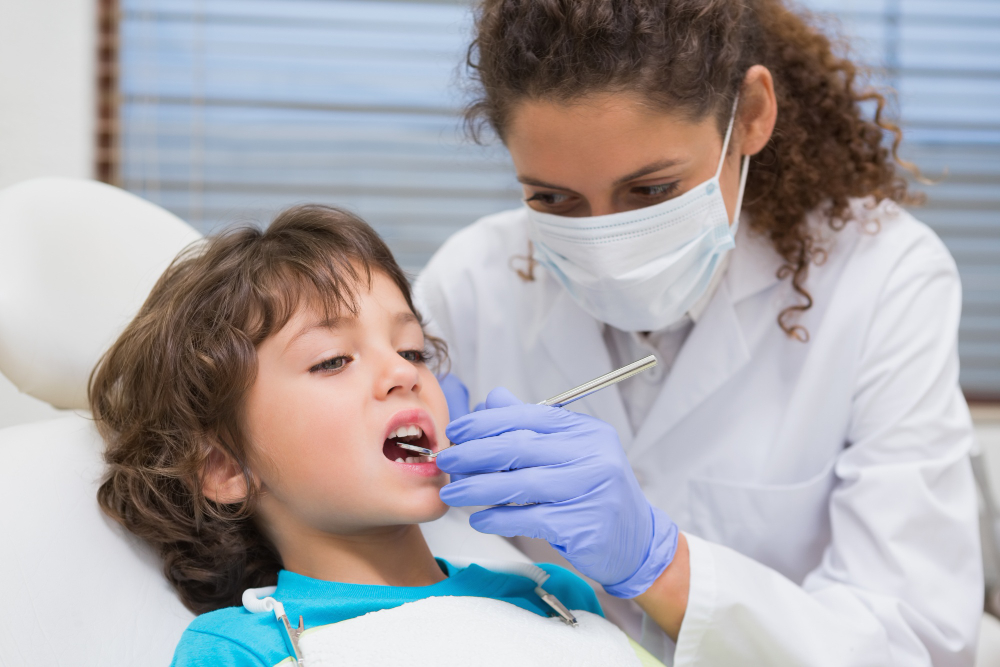
If your child’s dentist has recommended dental sealants, you may have questions about what they are, how they work, and whether your child actually needs them. Parents searching for a pediatric dentist in Toronto may also want to understand which preventive treatments could help protect their child’s teeth.
Dental sealants are thin protective coatings applied to the chewing surfaces of certain teeth, particularly the back teeth where deep grooves and pits can make cleaning more difficult. They can provide an additional layer of protection against the conditions that contribute to tooth decay.
However, sealants are not necessary for every child. Whether they are appropriate depends on factors such as the shape of the teeth, previous dental history, oral hygiene habits, and individual risk of decay.
What Are Dental Sealants?
Dental sealants are thin protective coatings applied to the chewing surfaces of back teeth, particularly molars and premolars. These teeth often contain grooves and pits that can be difficult to clean thoroughly with a toothbrush.
Food particles and bacteria can collect in these areas, making them more challenging to keep clean. A sealant covers the grooves and creates a smoother surface that can be easier to maintain.
Think of a dental sealant as an additional layer of protection rather than a replacement for everyday oral hygiene. Children still need to brush with fluoride toothpaste, clean between their teeth where appropriate, and attend regular dental appointments.
For parents researching dental sealants Toronto options, the most important consideration is whether the treatment is suitable for their child’s individual oral health needs.
Why Are Back Teeth More Vulnerable to Decay?
The molars and premolars have complex chewing surfaces with grooves known as fissures. Some of these grooves can be quite narrow, which can make it difficult for toothbrush bristles to reach every area effectively.
Children may also find it challenging to maintain consistent brushing habits, particularly while they are still developing their oral hygiene routines. Frequent consumption of sugary snacks and drinks can add another factor to consider.
This does not mean every child will develop decay in these areas. Rather, it means that a dentist may pay particular attention to the condition and shape of the back teeth when assessing whether sealants could be helpful.
A pediatric dentist Toronto parents consult can examine these areas and discuss whether a sealant would be appropriate based on the child’s individual circumstances.
When Are Dental Sealants Usually Applied?
Timing can be an important consideration when discussing dental sealants. They are commonly considered after permanent molars have erupted, although the appropriate timing depends on the child’s teeth and overall risk factors.
First Permanent Molars
The first permanent molars typically appear around age six. Once these teeth have fully erupted, a dentist may assess their chewing surfaces to determine whether sealants could provide useful protection.
These teeth are particularly important because they are permanent teeth and play an important role in chewing.
Second Permanent Molars
The second permanent molars commonly appear around age twelve. As with the first permanent molars, their grooves and surfaces can be examined to determine whether sealants may be appropriate.
The decision should be based on the condition of the teeth rather than age alone.
Baby Teeth
In some situations, sealants may also be considered for primary molars. This may be discussed when baby teeth have particularly deep grooves or when a child has factors that increase their risk of decay.
Keeping primary teeth healthy remains an important part of childhood oral care because they help children chew properly and maintain space for developing permanent teeth.
Are Dental Sealants Safe?
Safety is understandably one of the first questions parents ask about preventive dental treatments.
Dental sealants have been used for many years to help protect the chewing surfaces of teeth. They are placed directly onto the tooth surface and form a protective coating over selected grooves and pits.
Some parents may also have questions about BPA because certain sealant materials have historically contained BPA-related compounds. If this is a concern, ask the dental professional about the specific material being considered and its composition.
A discussion with your child’s dentist can help you understand the material being used, why it has been recommended, and whether it is appropriate for your child.
What Happens During Dental Sealant Application?
One benefit of sealant treatment is that the application is generally straightforward and does not typically involve drilling or needles.
The exact process may vary slightly depending on the tooth and the dental professional, but it commonly involves the following steps.
Step 1: Cleaning the Tooth
The tooth is cleaned carefully to remove plaque, food particles, and other debris. It is then dried so the surface is ready for the next stage.
Step 2: Preparing the Tooth Surface
A mild acidic solution is placed on the chewing surface for a short period. This prepares the enamel so the sealant can bond effectively.
The tooth is then rinsed and dried again.
Step 3: Applying the Sealant
The liquid sealant is applied directly to the grooves and pits of the tooth. Because the material is initially fluid, it can flow into these narrow areas before setting.
Step 4: Hardening the Sealant
A curing light is used to harden the material. Once it has set, the tooth can generally be used normally.
The application itself is usually quick, although the time required can vary depending on the number of teeth being treated and the child’s individual needs.
A kids dentist Toronto parents choose can also explain each step beforehand, which may help children feel more comfortable with the process.
How Long Do Dental Sealants Last?
Dental sealants are not considered permanent. They can remain in place for several years, but they may gradually wear, chip, or become damaged through normal chewing.
For this reason, sealants should be checked during regular dental appointments. Your dentist can look for areas where the coating has worn away or where additional attention may be needed.
If a sealant becomes damaged or is no longer intact, the dentist can determine whether it should be repaired or reapplied.
Regular monitoring is important because a sealant is only one part of a child’s overall preventive dental care.
Does Every Child Need Dental Sealants?
No. Sealants are not automatically recommended for every child.
A dentist may consider several factors when deciding whether they could be beneficial, including:
- The depth and shape of the grooves on the back teeth
- A child’s history of cavities or tooth decay
- Oral hygiene habits at home
- Dietary habits, particularly frequent sugar consumption
- The condition of the teeth being considered for treatment
Children with deeper grooves or a history of decay may receive more consideration for sealants, while children with relatively shallow grooves and good oral hygiene may not require them.
This is why a personalised assessment is important. Children’s dentistry Toronto appointments can include an evaluation of the teeth, gums, oral hygiene habits, and other factors that may influence preventive care recommendations.
Sealants Should Be Part of a Broader Preventive Routine
Dental sealants can help protect selected chewing surfaces, but they do not replace regular brushing, cleaning between teeth, or professional dental care.
A strong preventive routine may include:
- Brushing twice a day with fluoride toothpaste
- Cleaning between teeth once the spaces between teeth are closed
- Limiting frequent sugary snacks and drinks
- Choosing water as the main beverage
- Attending regular dental checkups
- Following professional recommendations for fluoride treatment when appropriate
For families looking for a family dentist Toronto children can continue seeing as they grow, regular appointments can also make it easier to monitor changes in their oral health over time.
Sealants work best when they are considered as one component of a broader approach to maintaining healthy teeth and gums.
Frequently Asked Questions
When should my child get dental sealants?
Sealants are commonly considered when permanent molars erupt, often around age six for the first permanent molars and around age twelve for the second permanent molars. A dentist may also consider sealants for primary teeth in certain situations.
How do I know if my child needs sealants?
A dental examination can help determine whether your child’s teeth have grooves or other characteristics that may make sealants useful. Previous decay, oral hygiene, and dietary habits may also be considered.
Do dental sealants hurt?
Dental sealant application is generally comfortable and does not typically require drilling or needles. The process is usually completed relatively quickly.
Can children with existing decay receive sealants?
A dentist will first examine the tooth to determine whether it is suitable for sealing. If decay or another dental concern requires treatment, that issue may need to be addressed before a sealant is considered.
How long do dental sealants last?
Sealants can last for several years, but they may wear or become damaged over time. Regular dental examinations allow the dentist to check whether they remain intact.
When should I see a pediatric dentist Toronto parents can trust?
If your child has ongoing dental concerns, has a history of cavities, or you simply want to discuss preventive treatment, an assessment with a pediatric dentist Toronto families can access can help determine which preventive measures may be appropriate.
The right approach will depend on your child’s age, teeth, oral hygiene habits, dental history, and individual needs.
A Simple Preventive Step for Protecting Back Teeth
Dental sealants can provide an additional layer of protection for the chewing surfaces of children’s back teeth, particularly when deep grooves make those areas more difficult to clean.
They are not required for every child, and the decision should be based on an individual dental assessment. A dentist can examine the teeth, consider the child’s risk factors, and explain whether sealants may be appropriate.
For parents researching pediatric dentist Toronto services, understanding the purpose, application, benefits, and limitations of dental sealants can make it easier to have an informed conversation about their child’s preventive dental care.
Protecting Your Child’s Smile
If you would like to discuss whether dental sealants are appropriate for your child, Roseland Dental can help you arrange an assessment with a dental professional. Contact us to learn more about children’s dental care in Toronto.