Starting orthodontic treatment is an exciting step towards a straighter smile, but keeping your teeth clean can become more challenging once braces are in place. Brackets, wires, and other orthodontic components create additional areas where food particles and plaque can collect.
Good oral hygiene is especially important during orthodontic treatment Toronto patients may undergo because plaque left around brackets can contribute to tooth decay, gum problems, and white marks on the teeth. The good news is that with the right routine, tools, and techniques, keeping your teeth and braces clean can become a manageable part of your daily routine.
Why Braces Make Oral Hygiene More Challenging
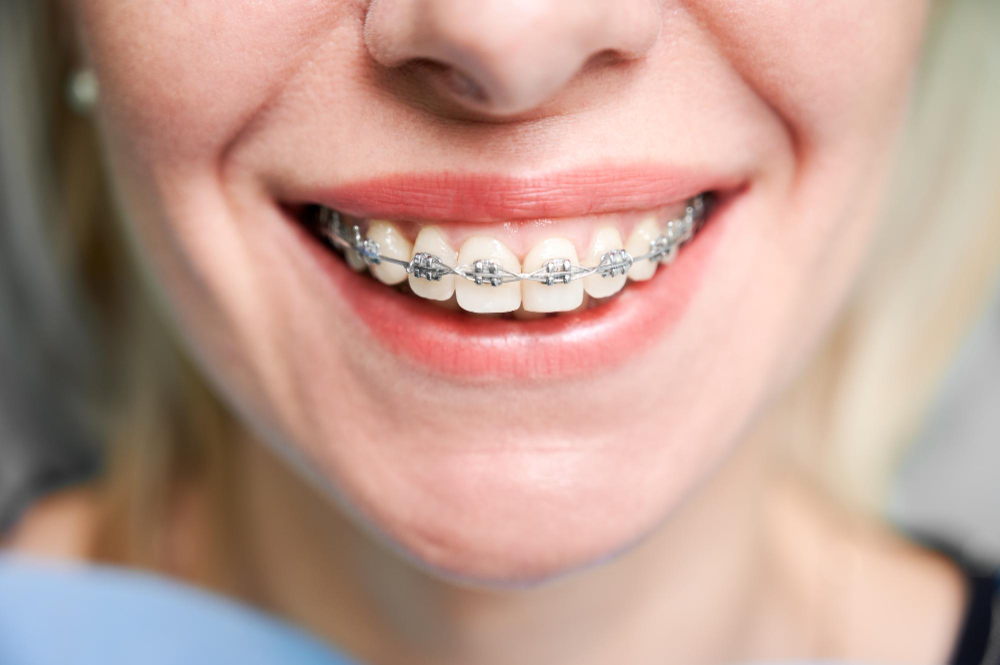
Traditional braces consist of brackets attached to the teeth and connected by wires. These components create small spaces and surfaces where food and plaque can collect.
The areas around the brackets can be particularly difficult to clean with a regular toothbrush. If plaque remains on the teeth for extended periods, it can increase the risk of tooth decay and gum inflammation.
Clear aligners have different cleaning requirements. Because aligners can be removed, patients can brush and floss their teeth normally, but they also need to clean the aligners regularly. Food particles should not be trapped underneath them for prolonged periods.
Whether you have traditional braces or clear aligners, maintaining a consistent oral hygiene routine is an important part of orthodontic care.
Essential Tools for Cleaning Around Braces
Having the right tools can make cleaning around orthodontic components much easier. Your dentist or orthodontic provider may recommend different products depending on your treatment.
Orthodontic Toothbrush
A toothbrush designed for braces can help clean around brackets and wires. Some orthodontic toothbrushes have specially shaped bristles that make it easier to reach areas above and below the wire.
An electric toothbrush can also help remove plaque when used correctly.
Interdental Brushes
Interdental brushes are small brushes designed to clean between teeth and around orthodontic components. They can help remove food and plaque from areas that a standard toothbrush may not reach effectively.
Floss Threaders or Orthodontic Floss
Flossing can take more time with fixed braces because the wire runs across the front of the teeth. A floss threader can help guide floss underneath the wire so you can clean between the teeth.
Although it requires extra effort, cleaning between the teeth remains an important part of an effective oral hygiene routine.
Water Flosser
A water flosser uses a stream of water to help remove food particles and debris from around the teeth and orthodontic appliances. It can be particularly useful for people who find traditional flossing difficult.
It should be considered an addition to, rather than an automatic replacement for, other forms of interdental cleaning.
Fluoride Mouthwash
A fluoride mouthwash may be recommended as part of your oral care routine. It can provide additional fluoride exposure and may be useful for patients who are more concerned about protecting their enamel during orthodontic treatment.
Ask your dental professional whether a fluoride mouthwash is appropriate for your individual needs.
How to Brush Properly With Braces
Brushing with braces requires a little more time and attention than brushing without orthodontic appliances.
Step 1: Remove Removable Components
If you have removable elastics or other components that your orthodontic provider has instructed you to remove, take them out before brushing.
Step 2: Angle the Brush
Place your toothbrush at an angle towards the gum line and use gentle movements to clean along the gums.
Then angle the brush towards the brackets and clean both above and below the orthodontic wire.
Step 3: Clean Around Each Bracket
Pay attention to the areas immediately around each bracket. Move the brush gently around the bracket to remove plaque and food particles.
Do not rush this part of the routine. Spending a little extra time around each bracket can make a noticeable difference to how thoroughly you clean your teeth.
Step 4: Clean All Tooth Surfaces
Remember to brush the chewing surfaces and the inside surfaces of your teeth as well. These areas can still collect plaque even though the braces are positioned on the front of the teeth.
Step 5: Rinse and Check
After brushing, rinse your mouth and use a mirror to check your teeth and braces. If you can still see food or plaque around the brackets, clean those areas again.
How to Floss With Braces
Flossing can be more time-consuming when you have fixed braces, but it remains important because a toothbrush cannot effectively clean every space between the teeth.
A simple approach is to:
- Guide the floss underneath the orthodontic wire using a floss threader
- Gently move the floss between the teeth
- Curve the floss around each tooth
- Move it carefully along the sides of the teeth
- Remove the floss and repeat the process between the next teeth
- Continue until you have cleaned between all of your teeth
Aim to clean between your teeth at least once a day unless your dental professional recommends a different routine.
Oral Hygiene for Clear Aligner Patients
Patients using clear aligners, including Invisalign Toronto patients, have different cleaning considerations compared with people wearing fixed braces.
Because clear aligners are removable, you can take them out before eating and clean your teeth normally. However, the aligners also need to be kept clean.
Good habits include:
- Remove aligners before eating
- Drink plain water while wearing them unless instructed otherwise
- Brush and clean between your teeth before putting aligners back in
- Clean the aligners regularly according to the manufacturer’s or dental professional’s instructions
- Avoid exposing aligners to very hot water
- Keep aligners in their protective case when they are not being worn
One of the main concerns is putting clean aligners back onto teeth that still have food particles or plaque on them. Keeping both your teeth and aligners clean helps support good oral hygiene throughout treatment.
Foods to Be Careful With During Orthodontic Treatment
Your diet can affect both your braces and your oral health. Some foods can damage brackets or wires, while others can increase the risk of tooth decay.
Foods That May Damage Braces
Depending on your orthodontic appliance, you may be advised to avoid or limit:
- Hard sweets
- Chewing gum
- Toffee and other sticky foods
- Popcorn kernels
- Very hard or crunchy foods
- Foods that require biting directly with the front teeth
Some foods can be modified to make them easier to eat. For example, hard fruits and vegetables can often be cut into smaller pieces rather than bitten into whole.
Foods That Can Increase Decay Risk
Frequent consumption of sugary foods and drinks can increase the risk of tooth decay. Soft drinks, sports drinks, fruit juice, sweets, and sticky snacks can be particularly problematic when consumed frequently.
Drinking water after eating and following a consistent brushing routine can help support your oral health.
The Importance of Regular Dental Checkups
Orthodontic appointments are not a replacement for regular dental care. Your orthodontist focuses on tooth movement and the progress of your orthodontic treatment, while routine dental appointments allow your dentist to monitor the overall health of your teeth and gums.
During a dental checkup that Toronto patients may receive during treatment, a dentist can assess areas that are difficult to clean and look for early signs of tooth decay, gum inflammation, or enamel changes.
Regular professional cleanings can also help remove tartar that cannot be removed through brushing and flossing alone.
If you are searching for a dental clinic near me, consider choosing a dental practice that can provide ongoing preventive care while you continue with orthodontic treatment.
Warning Signs That Your Oral Hygiene Needs Attention
Even with a consistent routine, problems can sometimes develop during orthodontic treatment. Pay attention to changes such as:
- Gums that bleed regularly when brushing or flossing
- Red or swollen gums
- Persistent bad breath
- Visible plaque around brackets
- White or chalky marks appearing near brackets
- Increased tooth sensitivity
White marks around brackets can be a sign of enamel changes and should not be ignored. If you notice anything unusual, speak with your dentist or orthodontic provider rather than waiting until your next routine appointment.
Frequently Asked Questions
How often should I brush my teeth with braces?
Brush your teeth at least twice a day using fluoride toothpaste. Depending on your treatment and eating habits, your dentist or orthodontist may recommend cleaning your teeth more frequently, particularly after meals.
Can I use an electric toothbrush with braces?
Yes. An electric toothbrush can be used with braces and may help remove plaque effectively. Use gentle pressure and take care around the brackets and gum line.
How do I know if I am cleaning my braces properly?
Checking your teeth in a mirror after brushing can help you identify areas where food or plaque remains. Disclosing tablets can also temporarily highlight plaque and show which areas need more attention.
Do braces increase the risk of gum problems?
Braces can make it more difficult to clean around the gum line and brackets. If plaque remains in these areas, the gums may become irritated. Thorough brushing, interdental cleaning, and regular dental appointments can help maintain healthy gums.
What happens if I do not clean my teeth properly during clear aligner treatment?
Poor oral hygiene can allow plaque and food particles to remain against the teeth underneath the aligners. Maintaining clean teeth before reinserting your aligners is therefore an important part of your daily routine.
Keeping Your Teeth Healthy Throughout Orthodontic Treatment
Orthodontic treatment can help improve the alignment of your teeth, but protecting your oral health throughout the process is equally important. Brushing carefully, cleaning between your teeth, keeping orthodontic appliances clean, making sensible food choices, and attending regular dental appointments can all support healthy teeth and gums.
The key is consistency. A few extra minutes spent cleaning around brackets or maintaining your aligners each day can help you protect your oral health while working towards your desired smile.
Maintaining Your Oral Health During Treatment
If you are undergoing orthodontic care and want to keep your teeth and gums healthy throughout the process, Roseland Dental can help with ongoing preventive dental care in Toronto. Contact us to arrange a dental checkup and discuss your oral health needs.