Noticing blood when you brush or floss can be unsettling. For some people, it happens occasionally and resolves on its own. For others, it is a recurring issue that keeps coming back despite good oral hygiene habits. Either way, bleeding gums are worth paying attention to because they are rarely something to ignore entirely.
Understanding why your gums are bleeding is the first step toward addressing the problem. Some causes are straightforward to correct at home. Others require the attention of a dentist to assess and treat properly.
Is It Normal for Gums to Bleed?
Occasional bleeding when you first start flossing after a long break can be relatively normal. The gums may be sensitive from lack of stimulation and settle down within a week or two of consistent flossing.
However, gums that bleed regularly during brushing or flossing, bleed spontaneously, or are accompanied by swelling, redness, or persistent bad breath are signalling that something needs attention. Visiting a dental clinic for general dentistry that Toronto residents trust is the most reliable way to get a clear picture of what is going on.
Common Causes of Bleeding Gums Toronto Patients Should Know
Gum Disease
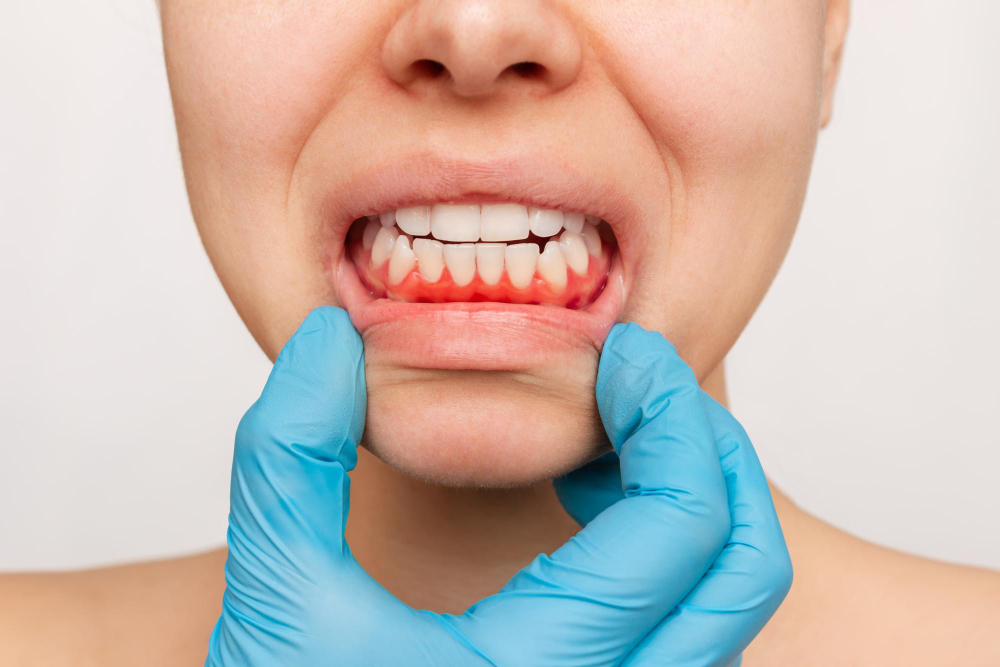
Gum disease, which Toronto dentists see most frequently, is the leading cause of bleeding gums in adults. It begins as gingivitis, which is the early and reversible stage of gum disease characterized by inflammation of the gums. At this stage, the gums become red, swollen, and prone to bleeding during brushing or flossing.
If gingivitis is left untreated, it can progress to periodontitis, a more advanced form of gum disease that Toronto patients need professional help to manage. At this stage, the infection spreads below the gum line, affecting the bone and tissue that support the teeth. This can eventually lead to tooth loss if not addressed.
The good news is that gingivitis is highly treatable with a professional cleaning and improved oral hygiene at home. Catching it early through regular dental checkups, Toronto patients attend is the most effective way to prevent it from progressing.
Incorrect Brushing Technique
Brushing too hard or using a toothbrush with hard bristles can irritate and damage the gum tissue, causing bleeding. Many people assume that brushing harder means cleaner teeth, but the opposite is often true. Aggressive brushing can wear down the gums over time and cause them to recede.
Using a soft-bristled toothbrush and gentle circular motions is the recommended technique. If you are unsure whether your brushing technique is correct, ask your dentist at your next checkup for a demonstration.
Infrequent Flossing
Gums that are not flossed regularly can bleed when you first reintroduce flossing. This is because the gum tissue becomes slightly inflamed in the areas between the teeth where a toothbrush cannot reach.
If bleeding persists beyond two weeks of consistent daily flossing, it is worth visiting a dentist near you to rule out an underlying cause.
Medications
Certain medications, particularly blood thinners, can make the gums more prone to bleeding. If you have recently started a new medication and noticed increased gum bleeding, mention this to both your doctor and your dentist. It is important not to stop any prescribed medication without medical advice, but your dentist can factor this into your care plan.
Hormonal Changes
Hormonal fluctuations during pregnancy, menstruation, or menopause can make the gums more sensitive to bleeding. Pregnancy gingivitis is a well-recognized condition where increased hormone levels cause the gums to react more strongly to the bacteria in plaque.
Women who are pregnant are encouraged to maintain regular dental checkups in Toronto throughout their pregnancy. Good oral health during pregnancy is important not just for the mother but for the developing baby as well.
Vitamin Deficiencies
A deficiency in vitamin C or vitamin K can contribute to bleeding gums. Vitamin C plays an important role in maintaining the health of gum tissue, and a severe deficiency can cause the gums to become fragile and bleed easily. If you suspect a nutritional deficiency, speaking with your doctor is a good first step alongside a dental assessment.
Ill-Fitting Dental Appliances
Dentures, retainers, or other dental appliances that do not fit correctly can create pressure points on the gums that cause irritation and bleeding. If you wear any type of dental appliance and have noticed bleeding in specific areas, your dentist can assess the fit and make adjustments as needed.
The Connection Between Bleeding Gums and Your Overall Health
This is an area that many people are not fully aware of. Bleeding gums are not just a dental concern. Research has consistently shown links between gum disease, Toronto patients who leave it untreated and broader health conditions, including heart disease, diabetes, and respiratory problems.
The bacteria associated with gum disease can enter the bloodstream through inflamed gum tissue and contribute to inflammation in other parts of the body. For patients with diabetes, gum disease can make blood sugar levels harder to control, creating a two-way relationship between oral and general health.
This is one of the reasons why regular visits to a general dentistry Toronto practice matter more than most people realize. A dentist does not just look at your teeth. They assess the overall condition of your mouth and can identify signs of systemic health concerns that may not yet be obvious elsewhere.
When Should You See a Dentist About Bleeding Gums
Not every instance of bleeding gums requires an urgent dental visit. However, there are situations where booking an appointment promptly is the right course of action.
See a dentist near you if:
- Your gums bleed regularly during brushing or flossing, and do not improve with better technique
- Your gums are swollen, red, or tender in addition to bleeding
- You notice bleeding that occurs spontaneously without any brushing or flossing
- You have persistent bad breath alongside bleeding gums
- You can see your gums pulling away from your teeth
- You have not had a dental checkup in more than six months
Finding a dentist near you and booking a checkup sooner rather than later is always the better approach when symptoms persist. Early intervention for gum disease is far simpler and more effective than treating it once it has advanced.
What Happens During a Gum Assessment
If you visit a dentist with concerns about bleeding gums, Toronto patients commonly report, here is what to expect during the assessment:
- A visual examination of the gums to check for redness, swelling, and recession
- Measurement of the pockets between the teeth and gums using a small probe
- X-rays are needed to assess the condition of the bone supporting the teeth
- A discussion of your oral hygiene routine, diet, medications, and any relevant health conditions
- A professional cleaning to remove plaque and tartar buildup that may be contributing to the problem
Based on the findings, your dentist will recommend an appropriate course of action. This may be as simple as improving your brushing and flossing technique, or it may involve a more thorough cleaning procedure known as scaling and root planing if gum disease has progressed beyond the early stage.
How to Reduce Gum Bleeding at Home
While professional treatment is essential for addressing the underlying cause, there are steps you can take at home to support your gum health:
- Brush twice daily using a soft-bristled toothbrush and a gentle technique
- Floss at least once daily to remove plaque from between the teeth
- Use an antibacterial mouthwash to reduce bacteria in the mouth
- Stay well hydrated, as a dry mouth can contribute to bacterial growth
- Eat a balanced diet that includes adequate vitamins and minerals
- Avoid smoking, as it significantly increases the risk and severity of gum disease
These habits support the work your dentist does and help maintain the results of professional treatment over time. Visiting a dental clinic near you regularly remains the most important step, alongside good home care.
Frequently Asked Questions
Are bleeding gums always a sign of gum disease that Toronto patients should worry about?
Not always. Occasional bleeding from infrequent flossing or a new oral hygiene routine can be normal. However, persistent or spontaneous bleeding is worth having assessed by a dentist as it can indicate gum disease or another underlying issue.
Can bleeding gums heal on their own?
In the early stages of gingivitis, improving oral hygiene and attending a professional cleaning can lead to significant improvement. More advanced gum disease requires professional treatment and will not resolve on its own.
How often should I have a dental checkup in Toronto if I have gum concerns?
If you have a history of gum disease or recurring gum issues, your dentist may recommend checkups every three to four months rather than the standard six months. More frequent monitoring helps keep the condition under control.
Is gum disease reversible?
Gingivitis, the early stage of gum disease, is reversible with proper treatment and improved oral hygiene. Advanced periodontitis is not fully reversible but can be managed effectively to prevent further progression and tooth loss.
Can a dentist near me treat gum disease?
Yes. General dentists are trained to diagnose and treat gum disease at various stages. In more advanced cases, a referral to a periodontist, a specialist in gum health, may be recommended.
What Bleeding Gums Are Telling You
Bleeding gums are your mouth’s way of signalling that something needs attention. Whether the cause is as simple as brushing too hard or as significant as early gum disease, the right response is always to take it seriously and act on it.
General dentistry Toronto patients rely on is built around exactly this kind of preventive care. Catching gum issues early, treating them effectively, and giving patients the knowledge to maintain their oral health at home are at the core of what good dental care involves. At Roseland Dental, every patient receives a thorough assessment and honest guidance on what their gums need to stay healthy.
Taking the First Step Towards Healthier Gums
If you have noticed bleeding gums and are looking for a trusted general dentistry Toronto practice to help you understand what is causing it, the team at Roseland Dental is here to help. Book a dental checkup and get a clear, honest assessment of your gum health. Contact us to schedule your appointment today.